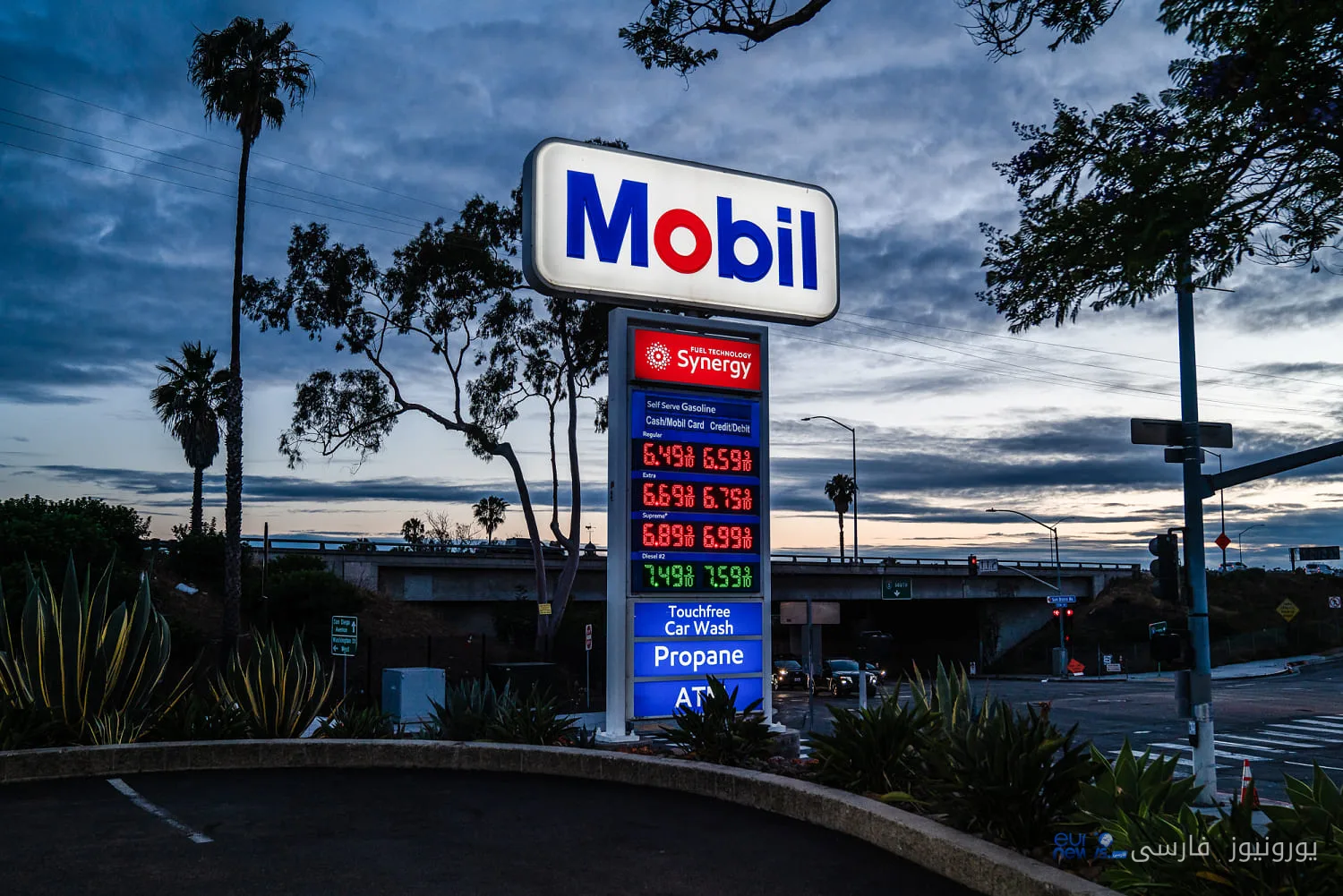
The war in Iran has significantly impacted gasoline prices in the United States, and these changes seem to have become a serious issue for households. Estimates indicate that Americans have spent about $۴۰ billion more than usual on fuel since the onset of this conflict. This substantial amount is only half the story; the effects of this price increase are felt directly in people's daily lives.
Increased Costs for Drivers
Drivers who fill up on average twice a month are facing increased costs ranging from $۲۰ to $۳۰۰ each month. These additional expenses can put more pressure on household budgets and, as a result, lead consumers to change their buying and consumption habits. As prices continue to rise steadily, the question arises whether people will be able to adapt to these changes.
Especially in areas where dependence on cars is greater, the rise in gasoline prices has turned into a real crisis. Drivers are not only facing financial challenges, but this issue could also lead to increased social and economic dissatisfaction. Many people feel that the rising prices have not only negatively impacted their well-being but will also have profound effects on their quality of life.
The Future of Fuel and Its Impacts
Meanwhile, questions about the future of fuel prices and how they will affect the overall economy of the United States are emerging. Will these price increases be temporary, or should we expect long-term changes? Economic analysts are seeking answers to these questions, and it seems that the responses are heavily dependent on global developments and domestic policies.
Despite these challenges, it appears that Americans will increasingly focus on optimizing fuel resource use and seeking alternative options. These changes may lead to transformations in the energy market that could impact the future of transportation and the economy.